1. A. Todd Anderson
There's a shy poet in every class
Who always recites loudly, if comfortable;
His thoughts and heart could never pass
As anything less than admirable.
He writes until his friend smiles brightly
For he enjoys the words he often hears;
It brings the poet joy, though only slightly,
Before he feels the eye's fall of glass tears.
The snow weighs on him as a lead boulder
While he cries out a famous, dear name;
It shoots through him like an arrow in the shoulder
And it pains him to know who is to blame.
He always senses every little thing
And the toll each of those could bring.
B. Todd Anderson
Există câte un poet timid în fiecare clasă
Care recită cu putere, dacă se simte confortabil;
Dar tot ce altora adesea le pasă
Este adâncul inimii și gândul său admirabil.
Scrie până când un prieten surâde cu lumină
Pentru că el adesea adoră ce aude;
Atunci poetul are fericire, deși puțină,
Înainte de simți a ochilor cascadă de lacrimi surde.
Neaua îi cântarea în spate precum plumbul
Atunci când striga o dragă, faimoasă denumire;
Îl săgetează și infectează tot mai mult plumbul
Fiindcă deja știe totul despre acea sortire.
Simte fiecare detaliu, este aproape un tic,
Și vede efectul său, oricât ar fi de mic.
2. Loneliness
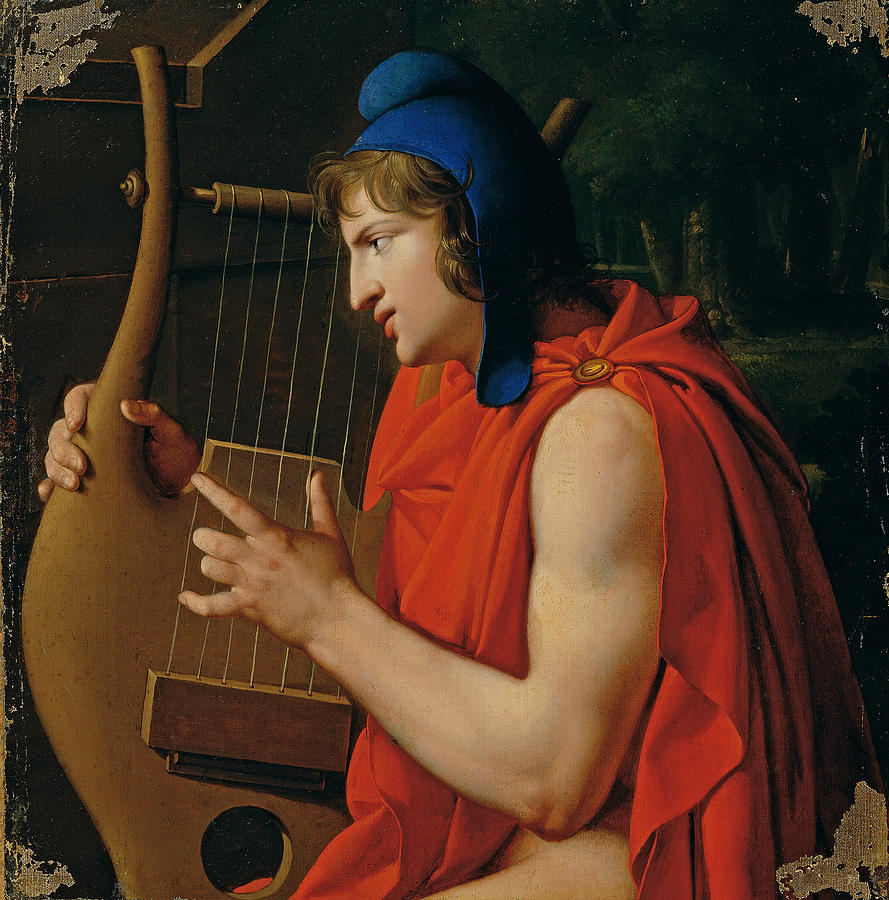
I stare at a painting hung on a wall,
The poet gazes out bound with loneliness;
I can only imagine all of his joy and its toll
While a skull filled his eyes with dryness.
I smiled, yet I couldn't feel anything,
Though I'm trapped in a frame, like that poet;
All I have left is to remind myself to sing,
To sing loudly while I write my sonnet.
I am stuck with the scent of lavender,
Under the light of many shimmering stars;
I feel everybody's so bitter tears,
Yet mine often fall silent on Mars.
Sometimes, people read merely from outside,
Forgetting thus, all the keys we always hide.
3. Aristotle Mendoza
He always listens, but rarely speaks
Because he often prefers to wear a mask;
He sees beyond all mimics and tricks,
Although he fears the questions they may ask.
Loneliness was all you could see in his eyes,
Like a black button on a white walll;
All until he met Dante and his absence of lies,
The one who could make him forgt it all.
Dante brought passion to Ari's indifference
And showed him a world of unknown words;
Ari never thought about the difference
Because he couldn't see Dante's swords.
It puzzled him that he was loved dearly,
Although he was rather mute, clearly.
4. Dante Quintana
He was often open like the books on his table
Because his fire can burn too brightly;
To read, to learn, to teach, he was often able
Because words aren't a struggle, not slightly.
Looking for a bird, Dante didn't hear Ari's call
And was pushed to avoid being killed by a car;
Broken bones and stitched faces were their fall,
Though Ari could still see his eyes from afar.
At Dante's swollen face, Ari couldn't bare to look
Because the beating could have hurt him too;
Dante would weep for the many hours it took
To return to what for him was true.
They hold each other in a warm embrace
And feel their minds' tempests without a brace.
5. Închis
Închis într-o sticlă, stă gândul în compania
Unei lacrimi solitare, dar totuși înghețată;
Când se întâlnesc, îmi aduc mania
Și zilele cu mii de vorbe ce se îneacă.
Știu că nu-i ceva sever sau permanent,
Dar acele lungi ore parcă paralizează
Al tobelor allegro ritm intermitent
Și închid orice exteriorul stimulează.
Și se adună mereu că într-un glob de sticlă rece
Fiecare gând tăios ce doar rănește;
Uneori, furtuna nu mai trece,
Iar puterea unui fulger doar crește.
Coastele și plămânii aruncă inima la închisoare
Și-l doboară pe Iar în zborul lui spre soare.
6. Why do certain people care too much?
Why do certain people care too much
About everyone else's sense of fashion?
It's simply the art's tender touch
That brings in the theatre, all the passion.
Some think they see a lavender streak
In anyone who's out of the ordinary;
Whoever forces the norms to bend and break
It is often seen as a mere circus scenery.
It scares me about it to be thinking
For it tightens the knot of my tongue;
It will be enough before I start sinking
And I tear apart the pages of poems, too long.
Is it a mistake to go on a different way?
Will I be stuck in an open cage till the last May?
7. Pens & Words
The pens & words pierce into my throat,
Succeeding in paralysing my tongue;
Still, the two are what keeps me afloat
And what gives me the power to write my song.
I live in worlds I, myself, have created,
Worlds in which I am the god or goddess;
Thanks to my golden sceptre, all has melted
And caught fire from the ashes, nonetheless.
It is odd to choose the pen instead of a sword
Because they both carry a mountain's weight;
They can both kill and heal, blade and word,
Because brutality and tenderness can be the same trait.
Pens and words pierce often into my heart
But they also help me be reborn through my art.
8. Long Hours
Long hours can seem paralysing
When the lungs quicken, the beat of the drums;
That's what I often catch myself analysing
In hope of understanding those wasted sums.
It's the eyes that tell all these stories
About water, singing of joy and sorrow;
That's how you live through grief and glories
And bear all the masks you could borrow.
Yet I stare aimlessly through the empty void
With crystal eyes that have long dried out;
It's a sort of numbness I failed to avoid
Because it stifles each and every shout.
There isn't much that I could think or say
Which could bring me a better or new May.
9. Stomach
A knot in the stomach takes the focus again
Because the head is locked in a jar of glass;
To hide that, I always aimlessly train
So that the clouds don't gather in a mass.
The glass will break and I will gather the shards,
Despite the blood, tears and scars so bitter;
I need to learn to play better with these cards
Or else I'll drink the salty water by the litre.
Oh, knot in the stomach, killing all that's beautiful
And urging the drummer to play much quicker!
It must be a virus way too graceful
Because it only makes me grow sicker.
Why do I write with ease about torment
When I often admire the universe's adornment?
10. Heartstone
It's cold outside, even when the sun shines,
But I still adore all about swimming;
I don't cover my head, not even when it rains
Because I'd rather allow myself to be dreaming.
Thor, they call, the short boy they tease
And I always find myself caught in-between;
To take the punches for him, I'd do with ease
Because It's still not the worst I've seen.
I ran into a car with eyes in a waterfall
And some don't seem to see the intention;
My whole being is for beating a call,
So I decided to put an end to the ideation.
Why was I born like this, blond and blue-eyed,
And didn't realise to whom I had lied?
11. Fernando P.
You still stare at a mirror with broken pieces
And see the shards of yourself, unknown before;
It's nothing but the pain everybody misses
Because we cannot be without the living's bore.
Complex and simple beings by our nature,
We create words and worlds to outlive our years;
How odd is it for a social, lonely creature
To write poems that please many ears?
Álvaro de Campos talks about progress and modernity
In all his endless maritime or triumphal odes;
Ricardo Reis calls upon the gods with an eternity
To which Horace forever proudly nods.
Man is not an animal, but flesh with a mind,
Although many fit the sort that's ill and kind.
12. Fears
I want to cry, although I cannot,
Not when those blue, eagle eyes stare down
And spit the fire that trembles every cot
Or burns the skin, lip, ears, and crown.
Eyes swell, scars gather on pale skin
While numbness devours all that's feeling;
Yet laughter wires everything in tin
And keeps my ravens under a glass sealing.
Only a cat can stand the endless tears
That fall on trembling limbs or cuts, so little;
Yet I stand breathless between the fears,
Although they could crush my bones, so brittle.
It all slowly freezes inside the glass bottle,
Yet it's closer to boiling, as if it was in a kettle.
13. Language
In this world, nothing could be closer to reality
Than those who too often write or paint;
That's how we embrace the banality
As well as each bruise and every faint.
More than the gods, a pen gives birth to many worlds
And brings music to the silence of the void;
Ideas ring and speak through all the words
That sing of questions we cannot avoid.
Identities and cultures are born from language,
Which gives names to every little universe;
That's how creatures with each other engage
And learn to read and write in the craft of the verse.
The head and heart need to be in such a balance
That others may find in them a menace.
14. Between White Roses
The sun still rises upon the lavender field,
Although many droughts and winters tried to stifle it;
Their masks always hide them behind a shield
And so it's never killed, though it does take a hit.
Lavender can grow anywhere between white roses,
Regardless of weather, rank, or time;
Even when you still see the hooves of horses
Or when its oil is smelt on the hands of a crime.
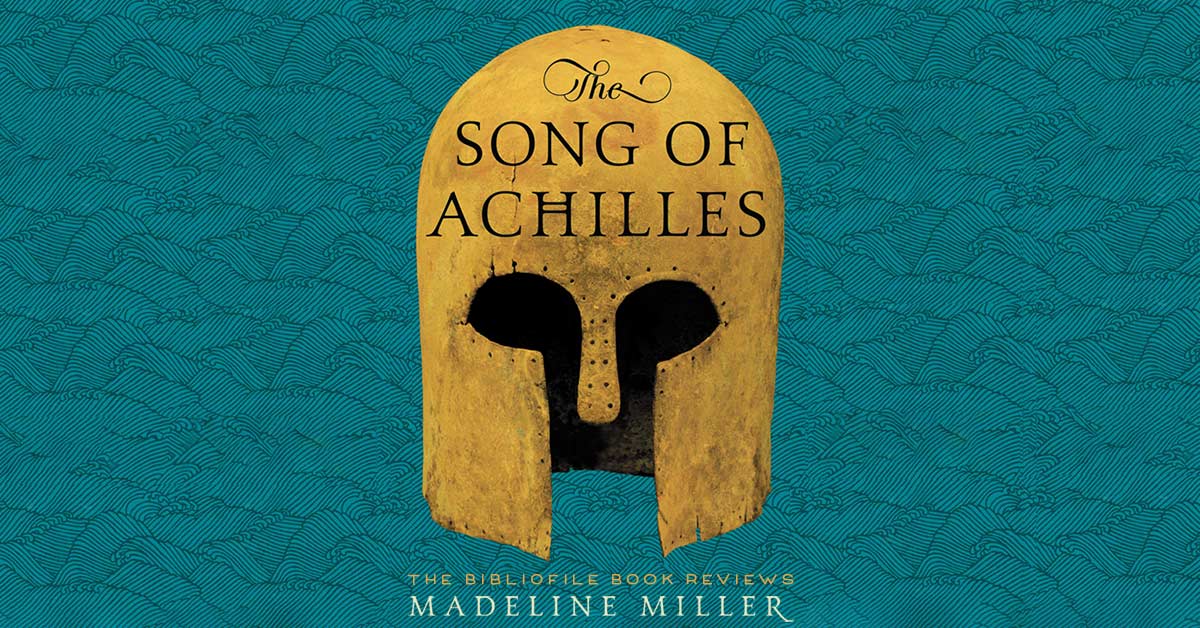
Achilles adores the bitter-sweet scent of lavender
Because it reminds him of the joy in Patroclus' eyes;
Now tears rain over his cheeks, as if he was another,
While he refuses to sing any of their cruel lies.
Although I feel I'm talking to the windmills,
Lavender still grows on all the past, present and future hills.
15. Orpheus
Sing to me, Orpheus, with the strings of your lyre,
Of every pansy and rose, every eye and ear;
I will write the words, for I still have the fire,
Although partly extinguished by a bitter-sweet tear.
May Apollo and his muses bless my worlds
Because I think I am ready for the life's dance;
Feeling become figures when shown through words
Because otherwise we would be cought in an endless trance.
Yet I still stare aimlessly through the window,
Remembering the embrace of a dear winter;
I already have the colours and the brushes of wilow
Because od Orpheus' generation, I will be the painter.
Before rebirth, something needs burn down;
Before the sun rises again, in needs to set in every town.
16. The Boredom of F.P.
When I get bored, I begin to write my sonnet
So as to forget the fact that I exist;
That's why I must have a bee in my bonnet,
Since through symbols, I often try to resist.
How many pick up the pen instead of pulling the trigger?
As Virginia Woolf always loved to say;
In this war, I don't know if I could be a Sieger
Or at least to keep the devil of feeling at bay.
It's odd what can be born of boredom,
The worlds we create when we roll our eyes;
Though it can feel much like a martyrdom,
The instincts cannot ever tell lies.
It's strange what non-action adds to the brain,
Although the oxygen through the fire comes to a drain.
17. Februrary 14th
Teddy bears, dyed roses and frozen hearts fill the place
While my stomach knots as if in sickness;
If blood falls, I will not leave a trace
Because above all, conquers the deafness.
Many wear the mety mask of joy
On this moment that's nothing but Thor's day;
They pull the strings as a child plays with a toy
And then cut them before the following May.
Why do I talk when I'm looking through a glass,
Forver observing what I don't feel?
It's all a headache and a weightless masss
Because I carry spade aces made of steel.
I do not feel the void I was warned about,
But the curses will sometimes make me shout.
18. Indifference
The moon itself could fall off the sky
Or the Tiber river could change its course;
For all I care, it could all be a Prussian dye
Or have the salt-and-pepper of a wild horse.
When it comes to faith, the indifference grows
For Christ isn't above Apollo or the dragons of jade;
Each story has golden marbles and circus shows
Because to live for mythology is the oldest trade.
All people are born equal to both of my eyes
For nobody is better or worse than the other;
I abhor all the petty, egotistical lies
Which make of differences such a bother.
Why should I care about when the prime minister sleeps,
Or which politician towards the gallows leaps?
19. Acid
We spew acid that burns the other's skin
By pointing out every little difference;
It gives to many a reason to use nails, clay or tin
To make their living a less painful sentence.
We forget the equality we were born under
Because people fail to see each other as such;
The spine feels as if close to the deafening thunder,
Before the lightning delivers its sweet touch.
Words as spears pierce into sensitive hearts,
Freezing or turning them to little stones;
That's why we cfreate and admire the arts
While forgetting all the yelling and fearful tones.
Why do we look for somebody to take the blame
When we are the ones who make each claim?
20. Earthquake
The ground shakes, all the building catch its song
And begin to dance while losing their bricks;
All the people suddenly speak the same tongue
And forget the world, their masks and tricks.
Glass blinds them and hurts beyond the skin
While everything falls apart under the naked eye;
The rapair is always done only is thin tin,
Although it can lead many to kill or die.
The mind seems to be turning against itself
While thin and long scars appear on the arms;
Each memory is a small glass on the shelf,
Which brings the sound of laughter less than it harms.
The ground trembles and so does the head
Because over a thread continues its tread.
21. Flower of the Bard
Silence dawns upon every great city
When the quiet ones find the courage to speak;
Still, the gods only know to take pity
Or use angainst them a poison and trick.
Those who are mute wear streaks of lavender
Which too often lead to stares, curses or punches;
The scars left by war are rarely tender
While the back in pain, sometimes, hunches.
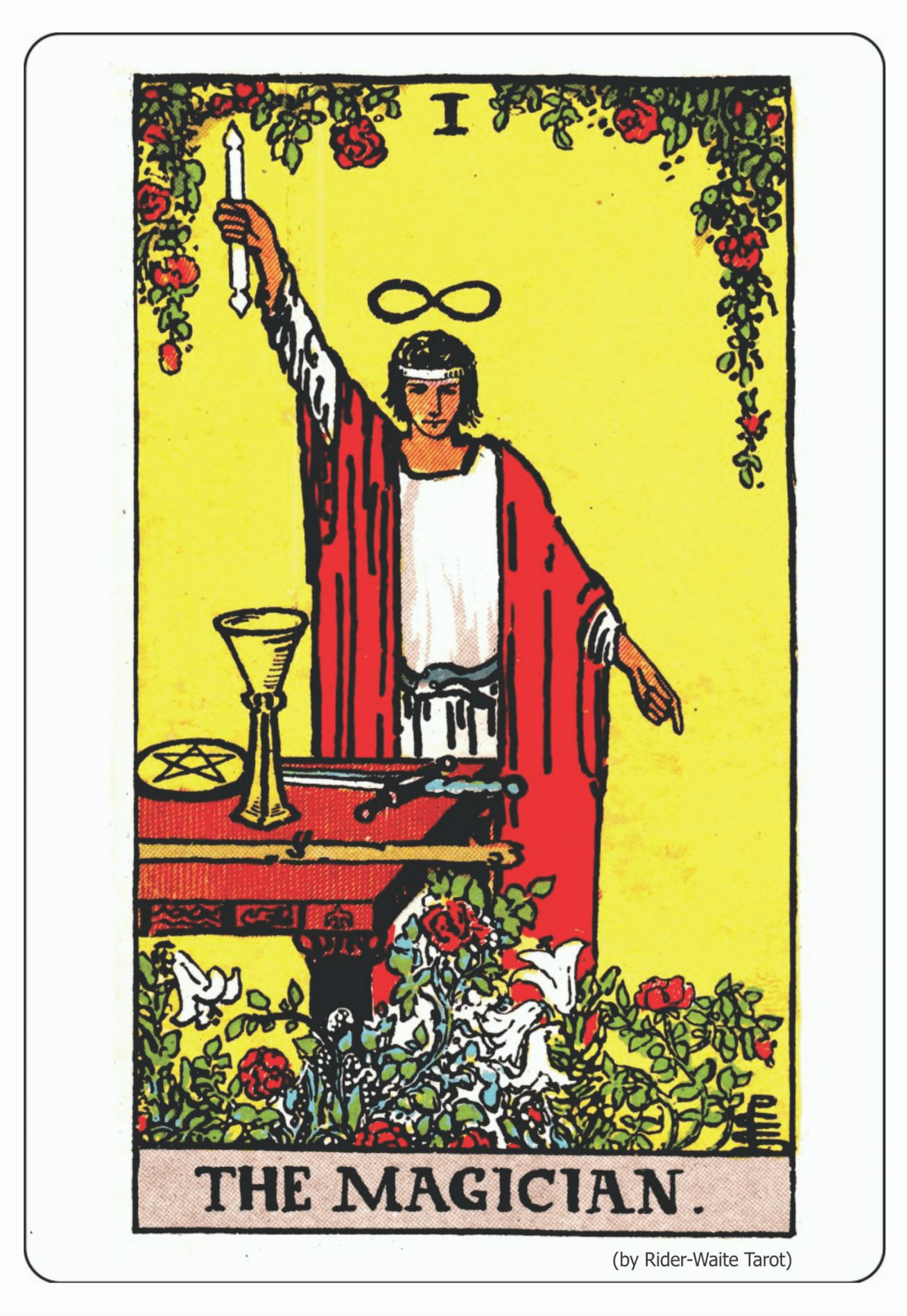
To stay or to rot, I keep asking a tarot card
While the lavender blooms in one of my rooms;
Poison never stifles this flower of the bard,
Which suffered 10 planets' worth of glooms.
To leave or to die in a sweet misery,
All before I cover myself in the grave's mystery.
22. To Artemis and Athena
Afrodite sings, while you hear the sound of the lyre,
Of love unbound in golden or rusty chains;
To Artemis and Athena, it is nothing but endless tire
For enamoured lives are to them a bane.
Artemis runs the wilderness with the moon by her side
While the huntresses follow her into the darkness;
Outside, inside, nobody has anything to hide
Because her way leads out of any harness.
Athena knows the words of philosophy and poetry
For the wise owl is always her proud guide;
The head's matters require a masterful deity
Because learning involves someone close by our side.
So the two live in th ewonder of maidenhood
In their tight, merely aromantic sisterhood.
23. Winter
The sun sinks to the depth of frozen rivers
When everything falls under the deepest sleep;
While snow and ice give other the shivers,
I sit underneath and count the mind's sheep.
The winter freezes the tears when they fall
And the frost on windows paints the glass;
Meditating, you see the heart's silent call
And start to stitch all of your wounds in brass.
Nothing and everything changes in the contradiction of men
Because many thoughts put us in the middle;
In one head, can exist at least other ten
And to understand them is the life of Sphinx's riddle.
Winter can be a riddle you fail to understand,
Though all you have to do is observe, not see, to comprehend.
24. 18th Of August
In an endless universe, storms gather first
Inside the silent head without a tongue;
Joyous sadness keeps its forward burst
Before the blood starts pouring for too long.
I don't know how to feel, so I simply act,
Before disappearing and turning into a mute;
I wish I knew how to work it out or react
Without being put in the most tight suit.
I'm not even 20 while I'm losing my own name
Amongst the louder ones of all other poets;
Although not a single day feels the same,
I still find myself quietly writing my sonnets.
I feel the world's endless warmth and cold,
But I know so little, though I'm not yet 20 years old.
25. Look Directly
I fail to look directly and see people's eyes,
So I only notice shirts, freckles, and moods;
Bodies are often unable to tell lies,
As you can see such laughter or will to hang in the woods.
Eyes, ears, and mouths always greet the outside
With empty politeness and masked words;
When somebody has a total of nothing to hide,
They are seen as the destroyer of others' worlds.
Why is it hard to look towards the present
Devoid of judgement and defensive ideas?
Why do so many look back or forward and resent
The progress or lack of it in little Korea?
I see, but often solely with my ears
Because nothing deceives what the mind hears.
26. Întuneric
Privesc adânc și lung în eternul întuneric
Și nu reușesc să înțeleg teama de influența lui;
El transformă orice râs, orice plâns isteric
Într-o amintire ce bate în minte un cui.
E adevărat că te poate lăsa fără voce și respirație
Fiindcă adesea sparge globul tău de sticlă rece;
Dar te obligă să simți ce ai putea să iei în considerație
Și să-ți vezi renașterea după ce uraganul trece.
E bine să cunoști și întunericul și lumina,
Să nu le știi în alt mod decât complementare;
Numai așa poți vedea frumosul de pe colina
Pe care Sisif împinge continuu piatra de sare.
N-am teamă de ceva ce nu cunosc bine
Fiindcă adevăratul răspuns vine din sine.
27. Brave New Worlds
I stare outside the open window and hear
A few words, among which counts my name;
The voice is unknown, yet very sharp and dear
Because it calls to mind a distant flame.
A portrait almost foreign to me
Reveals a future that rarely forgets words;
It is something I look forward to live and see
Beacuse ideas can create brave new worlds.
Thus I fly higher and even catch a cloud
Before falling to break my bones on the ground;
A sharp voice keeps calling me with its loud
And intense, yet calm, and careful sound.
The gods want me to sing while writing my sonnet
So as to have fewer chances of losing my bonnet.
28. The Reason of Feeling
Nothing bothers me anymore these days
Since the head turned off all that's feeling;
I've only been wondering through an endless maze
In the futile attempt to break its sealing.
The reason of feeling brings the worst pain
And forces the head to bloody tear itself apart;
From this game, I have nothing to gain,
Aside from ruining all sides of my art.
Words and ideas can equally heal and kill
Because they work in different ways for each;
I hope this time I will not easily fall ill
Or try to poison myself with a rotten peach.
I try to swim against a swollen river
Because I refuse to drown in such a shiver.
29. Stained Glass
He paints a stained glass and doesn't show his progress
Beacuse his own colours tint those he uses;
He fears the storms may bring such a mess
That he might fail to see what he chooses.
For disobedience, he was yelled once more
While being hit for speaking his mind aloud;
A spot in his heart is growing so sore
That it overflows any rainbow or dark cloud.
He now doesn't feel so much anymore,
Which sometimes brings tears to his eyes;
He still feels those scars without their gore
And can still notice if he's being fed lies.
Nothing saddens him or brings a distant joy
Because a small gesture can even kill such a boy.
30. Our Generation
Our generation was born and died 1000 times
While thrown into the dust all alone;
The air no longer smells of blooming limes
Or ideas about whoever owns the throne.
Worthless, lazy or much too sensitive
Are names that still ring in our ears,
And it doesn't help that we're still creative
Because it feeds endlessly into many fears.
Still, I try to look above and see the stars,
Although I have no clue what tomorrow will bring;
I refuse to let my mind be locked behind bars
For I still have my quiet wish to sing.
I salute the lovely minds of our generation
For they will highlight every artist's creation.
31. Labyrinth
To interact can be a labyrinth for me
Because I fail to understand their cues;
I know the language, yet I cannot see
The link between words and silent clues.
I am aware of every gesture I show
Because I know how some may react to it;
In such moments, I feel like I am a crow
Who often by most pigeons is hit.
Yet I bury it like the corpse of a friend
Who died long before finding his peace;
I fear the noose might soon bring my end
Because I can no longer stand such a hiss.
Why is the brain wired in such a way
That I cannot see February changing into May?
32. Sounds Like Treason
People often stare and I cannot return the look
Because I usually notice only the colour of the eye;
Everybody seems to interact according to a book
Without which, they slowly start to die.
I do see things others don't for some reason
Such as the slight difference in manner or tone;
But to say this aloud sounds like treason
Because it cuts people close to every little bone.
The brain is wired against itself and it often feels
As lonely as a wolf who was quietly exiled;
They say as time passes it always heals,
But it leaves the wounds open, however mild.
I'm used to being a sort of a different breed
Only because my mind follows another creed.
33. Abyss
This abyss of mine seems to be endless now
And I tried everything to find a way out;
I ended up here, but I don't know how
Nor do I see the rhyme to write about.
The void can be equally consuming and feeding
Because not even fire has the courage to exist here;
To get out, there is no universal leading,
Not even a memory of something dear.
Yet you rise and often touch the sun
Like Icarus with his ideals and wax wings;
Only you never cared for what had been done
And only want to write what Apollo sings.
The abyss can be both sadness and joy
Because your own mind becomes a toy.
34. I craft my mask so as people cannot see
I craft my mask so as people cannot see
All the intensity and tears which lie inside;
To navigate the universe, I become a bee
Whose joy or sting of frustration has to hide.
And it works because few dare to break the glass
To discover a truth that's not sung about;
It sometimes makes the sound of a great fuss,
Although it's too low to sound like a shout.
It is draining, but often reduces the isolation
And calms the nerves activated in a social setting;
It can feel like belonging to a different nation
When every single interaction becomes a betting.
In crowds, why do I even bother to fit
When I know I'll be the one who takes the hit?
35. Dense Fog Inside My Mind
What is it that burns too often my head
And leaves the most dense fog inside my mind?
I sometimes feel through me the arrows of lead
Or the claws reaching for my shoulders from behind.
Is the ice on my spine or endless fear
The one seeming to conquer the rhythm of my drum?
Either way, it comes along with a tear
And the infinite spectrum of being numb.
Inside, outside, it is all the same
Because everything works in similar ways;
I forgot who could or should take the blame
Because I'm used to losing my mind, most of the days.
It kills me to think and feel at the same time,
But it becomes tiresome to have to play the mime.
36. People are curious to feel everything around
People are curious to feel everything around
Because nobody rules better than an impulse;
In my ears it never quite makes a sound
Because I don't wish for whatever quickens that pulse.
Some go as far as missing their flight
For the blood and poison adorning a rose;
Seeing this leaves me in a state of fright
Because many get out with worse than a broken nose.
Many lose dreams, tongues, ears and eyes
For someone they saw as the one and only;
In agony such a heart too often dies
Or is endlessly consumed by sorrow, solely.
There's a glass between me and such intense feelings
Beacuse when the head rules, the heart has 7 sealings.
37. Too Quiet or Too Loud
I sit in silence, usually buried amongst people
Beacuse the shadow is cast always by the light;
The night is dark and fright is triple
Because I'm again stuck between freeze and flight.
I try to speak my mind, but it's either too quiet or too loud
For anyone to even notice its existence;
I often lose my head in such an indifferent crowd
Or they cut it upon forgetting all their patience.
Both sides crave the sweet poison of the other
Before falling apart, as if crushed by a hurricane;
The storm brings brings silent, violent tears to one another
While the heads are left with every single blame and bane.
Isolation and lack of it destroy all the same
While leading to madness in every kind of frame.
38. Snow & Rain
It snows heavily all throughout spring,
And its weight bends and breaks many a shoulder;
But in my ears, such a threat doesn't ring
Nor does it signal me a muscle ready to falter.
I do enjoy everything about its peaceful presence
Because it calms down the turmoil of summer;
Against my head's clamour, it returns the patience
And slows down the allegro rhythm of the drummer.
I fail to understand why so many hate snow & rain
As they extinguish the fire we all carry;
Few can walk along with the burden of pain
Before they quietly choose which one to bury.
There is nothing that bothers me anymore,
Although some spots still feel too sore.
39. The Deafening Silence
A bottle is all you can see in an empty room
As well as the deafening silence filling it;
It's nothing but a strong scent of doom
Before the thick glass will take its final hit.
The bottle always gathers the strongest feeling
Which tries to spill your guts on every table;
Head & heart slowly become nothing but a sealing,
Preventing you from seeing your feet as stable.
And it goes on and on until the glass bottles break
Or intensity overflows the brain of a ghost;
Now eyes show the pressure they cannot take
While your body becomes to such a play a mere host.
Numbness can hurt as much as vulnerability
Because it forces the mind to lose an important ability.
40. Books as a Crown
Books will feel like a crown on your head
When you see everything expanding before your eyes;
Even long after your tongue has bled,
You will still be able to read between their lies.
Before yourself, everything will open in absurdity
And all the darkness will suddenly make sense;
That's how nature will show you its dignity
And its beautiful particles will become dense.
By walking in light, you will be able to find darkness
And see the beauty hidden between all its lines;
Now you observe each season and its shortness,
Water & fire, head & heart, rises & declines.
The mind is crowned by the study's beauty,
But to recognise this is everybody's duty.
41. All Cuts & Wounds
All cuts & wounds have at least a little stitch
Which helps the body reduce the bleeding;
Still, when all these begin to irritatingly itch,
I catch myself counting red drops, onwards leading.
I hate how much my skin feels tight
While the stitches gather mountains of salt;
When I pick them, my body is locked in freeze or flight
While both head & heart are put on a halt.
And so my head keeps spinning aimlessly,
Before it quieted every slow movement of the tongue;
Minutes, hours, days, carry out this curse helplessly
While I write, listen to, and sing this bitter song.
It feels like a computer malfunctioning up there,
But I have no clue how much of it I can bare.
42. My Mind's Labour
My mind's labour guides the eyes to see ahead
The sight, hearing and taste of too many;
But long after my own tongue has bled,
I can no longer fathom the words of any.
The cogs spin, day & night, in & out,
Although they are wired in an odd manner;
Regardless of how loud or quiet is the shout,
It could never reveal the blood of the banner.
Although the stones keep gathering around me,
I try to keep my head above, to swim & float;
Beyond that, not many people can see
Or try to help, to build and offer a boat.
Lucky those who never had nor ever will feel this misery;
From outside, they see nothing but a circus scenery.
43. All Empires Must Fall
When the ground shakes, all empires must fall
To make way for the new world which settles in;
Although old ghosts still make a crying call,
The newborns won't repeat the same drowning sin.
And thus, a new light suddenly pierces the ground
To teach the beauty of colour to those who see only black & white;
For some ears, it might be too sharp of a sound,
Despite the pleasure they take in the unusual sight.
Instead of carrying the old flag and its blame,
The youth prefers to makes one without a thorn;
Such minds cannot, will not be the same
As those before who could throw anything in scorn.
We may be born just too early or too late,
But we still learn to accept what you used to hate.
44. Houses Built in a Distinct Way
Each world has houses built in a distinct way
Because different ideas come from all places;
When those collide, it is curses some would say
Before seeing the other along similar traces.
Still, some buildings seem oddly designed
Because the architect wanted to show off his skill;
Such houses are often demolished or simply fined
Because such a presence makes everyone ill.
And so brains are wired without fitting in
A world, a place, a language of wonder;
Such brains drown themselves in water or gin
Because every interaction is as exhausting as plunder.
How can we grow to embrace difference
When we only know the taste of indifference?
45. Ari & Dante
Dante's hands calmly caress Ari's scars and skin
While he feels his face to be as fragile as porcelain;
Dante cries when he remembers Ari's broken shin
And feels as though such a mind couldn't be sane.
Likewise, Ari couldn't bare to look at Dante's swollen face
Because he doesn't understand why the boys did it;
Of blood, his fists still have an awful trace
Because the challenger didn't expect to also be hit.
With all the scars and fears, they stare at a shimmering star
Which guides them through the universe, both dark and light;
It feels immense when seen from the pickup of Ari's car,
So much so that each of them discovers a reason to fight.
Neither tears nor blood can tear them apart
Because the way they feel represents their art.
46. Nothing Happens Anymore
Nothing happens anymore when eyes become mute
While intense feelings drown in endless numbness;
Still, my mind forces a smile to fit the suit
Because nothing could feel worse than eternal deafness.
The heart still sings, though as a player in a band,
Even when the legs and hands start to paralyse;
In my eyes, there's nothing other than glass and sand
Because when the storm begins, few take the time to analyse.
Every second, minute, hour, day, it doesn't end,
Regardless of whoever is the nameless, silent speaker;
My head keeps firing signals nobody should send
Because nothing can hurt more than being an overthinker.
It never stops, no matter how hard I try,
And this can stop Icarus from his attempt to fly.
47. Aimless Ways & Moods
Many throw stones in aimless ways and moods
Because they dislike to hear what is different;
With knives at cows' throats and burning woods,
Questions about disappearance become frequent.
They all hear the stifled, yet loud cry,
But choose to stay silent, to play blind;
Everything, everywhere is nothing but a lie
Which builds a golden crown from behind.
And people forget superiority doesn't exist,
Not even when talking about a silent voice;
Not matter who you are, bird, man or beast,
Your quiet tone can change a fellow's choice.
Why choose to be cruel in a world that suffers enough already,
When you can improve the matters, slow & steady?
48. May 5th
This very day, the kitchen's scent makes me sick
Because they all just repeat the same tiresome words;
I'd say it would feel better if I was stung by a tick
Because an old frustration is revealed in such worlds.
People spew acid to burn down opposing tongues,
Especially on Easter day, when rejection is obvious;
But gods forbid you dare sing your pagan songs
Because of roots, most are too oblivious.
Why should I choose a day to prove whatever
When every single one can be a testament to gratitude?
That's why I prefer a different road, although I have to sever
Everything coming to such a pompous magnitude.
I couldn't care less of all they do or say
When most of them act like parrots every day.
49. Endless Building Block
I stand on the roof of my endless building block
And look down to see what happens if I fall;
If I hit my back on the asphalt, if my end is a shock
Or a source of misery for those who don't hear the call.
But I won't, although I have both wax wings,
Which may one day serve as feathers in a colourful plumage;
Heart and mind join in whatever each sings
While consumed by joy, by tears, by rage.
I risk losing my breath or voice in senseless arguing
Because something obvious to me is hidden from another;
Instead I sit quietly in a darkness that keeps swallowing
Every moment until sound becomes a bother.
I wonder if I should jump or attempt to fly
Because I hear the noise made by every lie.
50. As If Ideas Were Different Countries
People feel as if ideas were different countries
Which need to be defended, regardless of the cost;
They sometimes fail to respect certain boundaries,
Even though a comrade admitted they lost.
Like rams hitting each other until horns break,
Stubborn people continue a dead conversation;
No success will exist until the ground starts to shake
Or the ram receives a crown, a bright evaluation.
I never know enough, but I can always know more,
Although Aries, Taurus, will never know perspective;
With them, don't argue until your throat's sore
And allow each partaker to be brightly creative.
If mind is a neighbourhood which anyone can paint differently,
I choose to expand mine, albeit silently.

(source of the image: pinterest)